

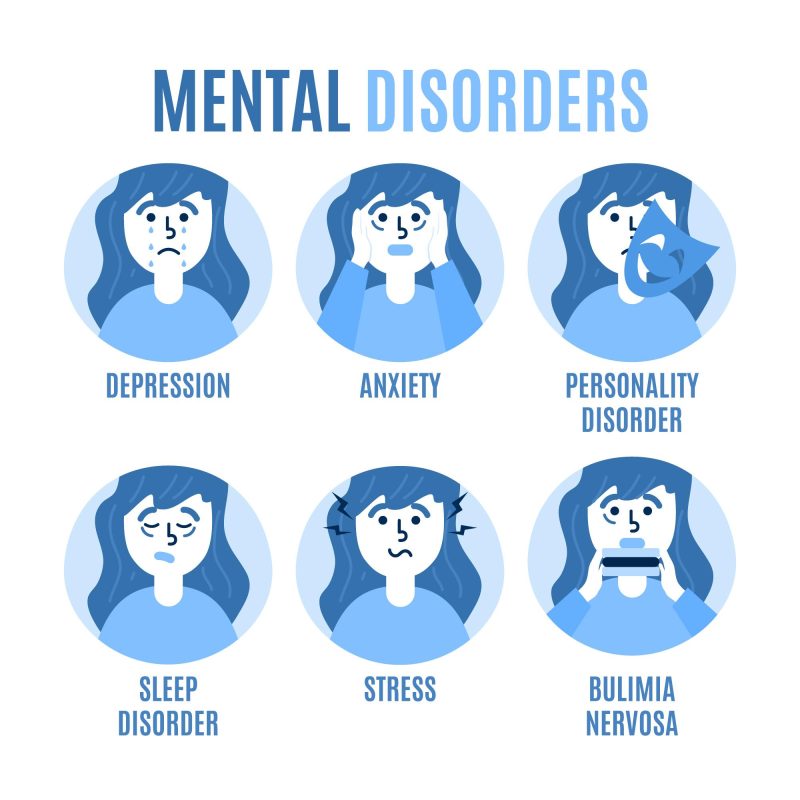
At Clare Senior Care, we believe that true health is holistic. It isn’t just about managing medications, ensuring mobility, or helping with daily hygiene—it is about nurturing the mind and spirit just as much as the body.
For many of the families we serve through our Adult Foster Care (AFC) and Group Adult Foster Care (GAFC) programs in Massachusetts, distinguishing between “normal” aging or personality quirks and the early signs of a mental health condition can be incredibly difficult. You might ask yourself: Is Mom just tired today, or is she withdrawing? Is this just a bad mood, or is it something deeper?
Trying to tell the difference between expected behaviors and what might be signs of mental illness isn’t always easy. There is no simple blood test that can immediately let someone know if a mental illness is present, or if actions and thoughts are just the result of a physical illness or a stressful week.
However, recognizing the warning signs is the first step toward getting help. Whether you are a caregiver looking after a loved one in your home or a senior living independently in a group setting, understanding these signs can change—and save—lives.
Identifying the Signs in Adults and Seniors
Mental health conditions do not discriminate by age. While we often discuss mental health in younger populations, seniors and adults with disabilities are equally at risk. In fact, many older adults face unique stressors—loss of independence, chronic pain, or the grief of losing friends—that can trigger mental health struggles.
Each illness has its own specific symptoms, but there are common threads that caregivers and family members can look for. If you notice any of the following signs lasting for two weeks or more, it may be time to start a conversation.
1. Emotional Volatility and Mood Changes
One of the most visible indicators is a shift in emotional regulation. This can include:
- Extreme mood changes: Uncontrollable “highs” or feelings of euphoria followed by deep lows.
- Prolonged irritability or anger: If a typically patient loved one suddenly becomes quick to anger or hostile, it is often a sign of underlying distress.
- Excessive worrying or fear: Anxiety can manifest as constant fretting over finances, health, or family safety, even when there is no immediate threat.
- Feeling excessively sad or low: This goes beyond just “having a bad day.” It is a persistent heaviness that doesn’t lift with good news or rest.
2. Social and Behavioral Withdrawal
In our AFC programs, we often emphasize the importance of community. When someone starts pulling away, it is a red flag. Watch for:
- Avoiding friends and social activities: Skipping the local senior center gathering, refusing visits from grandchildren, or staying in their room for extended periods.
- Difficulties understanding or relating to other people: They may seem distant or unable to empathize with others during conversation.
- Inability to carry out daily activities: When standard tasks like grooming, cooking, or handling daily problems become overwhelming, it may signal a decline in mental functioning.
3. Physical Changes Without Clear Causes
The mind and body are intrinsically linked. Mental distress often shows up physically, especially in older adults who may not have the vocabulary to say “I’m depressed.”
- Changes in sleeping habits: Sleeping all day or, conversely, suffering from severe insomnia and fatigue.
- Changes in eating habits: This could be increased hunger or a total lack of appetite, leading to rapid weight fluctuation.
- Multiple physical ailments: Vague, ongoing complaints such as headaches, stomach aches, or general pains that have no obvious physical cause.
4. Cognitive and Perceptual Changes
These symptoms can be scary for both the individual and the caregiver, but they require immediate professional attention.
- Confused thinking: Problems concentrating, learning new things, or following a conversation.
- Difficulty perceiving reality: This includes delusions (false beliefs) or hallucinations (sensing things that don’t exist).
- “Lack of Insight” (Anosognosia): An inability to perceive changes in one’s own feelings, behavior, or personality. The person may genuinely not realize they are acting differently.
5. Risky Behaviors and Self-Harm
- Overuse of substances: Relying on alcohol or drugs to cope with emotions.
- Thinking about suicide: Expressing thoughts about death, dying, or “not wanting to be a burden.”
- Intense fear of weight gain: An obsession with appearance or weight, which can signal eating disorders even in older age.
Mental Health in Adolescents and Children
Many of our AFC households are multigenerational. You may be caring for an aging parent while raising children or grandchildren in the same home. Mental health conditions can begin to develop in young children, too. Because they are still learning how to identify and talk about thoughts and emotions, their most obvious symptoms are often behavioral rather than verbal.
If you have young people in your home, keep an eye out for:
- Changes in school performance: sudden drops in grades or acting out in class.
- Excessive worry or anxiety: Fighting to avoid bed or school.
- Hyperactive behavior: An inability to sit still that exceeds normal childhood energy.
- Frequent nightmares: disrupted sleep patterns driven by fear.
- Frequent disobedience or aggression: temper tantrums or defiance that seem out of character.
The Role of the Caregiver in Diagnosis
One of the benefits of the Clare Senior Care AFC/GAFC model is the close relationship between the member and the caregiver. Because you see your loved one every day, you are the best person to notice these subtle shifts.
Knowing warning signs can help let you know if you need to speak to a professional. For many people, getting an accurate diagnosis is the first step in a treatment plan.
It is important to remember that unlike diabetes or cancer, there is no single medical test (like a blood draw or biopsy) that can accurately diagnose mental illness. Instead, a mental health professional will use the Diagnostic and Statistical Manual of Mental Disorders (DSM), published by the American Psychiatric Association, to assess symptoms.
The manual lists criteria including feelings, behaviors, and time limits in order to be officially classified as a mental health condition. This comprehensive assessment ensures that the treatment plan is tailored to the specific needs of the individual.
Finding Treatment and Support
Getting a diagnosis is just the first step; knowing your own preferences and goals is also important. Treatments for mental illness vary by diagnosis and by person. There is no “one size fits all” treatment.
After diagnosis, a health care provider can help develop a treatment plan that could include:
- Medication: To help manage chemical imbalances.
- Counseling (Therapy): A safe space to explore feelings and learn coping mechanisms.
- Social Support: Leveraging community groups (like those we foster at Clare Senior Care) to reduce isolation.
- Education: Helping the family understand the condition.
Where To Get Help in Massachusetts
Don’t be afraid to reach out if you or someone you know needs help. Learning all you can about mental health is an important first step.
- Your Healthcare Team: Reach out to your health insurance provider, primary care doctor, or the state/county mental health authority for resources.
- NAMI: Contact the National Alliance on Mental Illness (NAMI) HelpLine to find out what services and supports are available in your specific Massachusetts community.
- Immediate Crisis Support: If you or someone you know is struggling or in crisis, help is available 24/7. Call or text 988 or chat at 988lifeline.org to reach the 988 Suicide & Crisis Lifeline.
Conclusion
At Clare Senior Care, we understand that caring for a loved one involves looking after the whole person. Recognizing the warning signs of mental health struggles is an act of love and a critical skill for any caregiver. Whether it is a sudden change in sleeping habits, a withdrawal from social activities, or distinct mood swings, these signs are invitations to dig deeper and offer help.
You do not have to navigate this alone. By leveraging the resources available in Massachusetts—from your primary care doctor to the NAMI HelpLine and your support team here at Clare—you can ensure your loved one receives the compassionate care they deserve. Let’s work together to break the stigma and prioritize mental wellness in our homes and communities.
Disclaimer
The content provided in this blog post is for informational and educational purposes only. It is not intended to be a substitute for professional medical advice, diagnosis, or treatment. Always seek the advice of your physician or other qualified mental health provider with any questions you may have regarding a medical condition. Never disregard professional medical advice or delay in seeking it because of something you have read on this website. If you think you may have a medical emergency, call your doctor or 911 immediately.
Sources
- National Alliance on Mental Illness (NAMI): Warning Signs and Symptoms
- 988 Suicide & Crisis Lifeline: Resources and Support
- American Psychiatric Association: Diagnostic and Statistical Manual of Mental Disorders (DSM-5-TR)
- Nourishing Smiles & Building Community: A Look Back at Healthy Smiles & Wellness Day
- Important Updates & Resources for CCA Senior Care Options (SCO) Members
- Discover the Stanford 3-Letter Project That Will Change How You Live
- Demystifying MassHealth: A Simple Guide to Health Coverage and Senior Benefits
- The Power of Stillness: Rewiring the Senior Heart and Mind
