

At Clare Senior Care, we know that as we age, we often expect a few more aches, pains, or trips to the bathroom. However, sometimes these “normal” changes are actually whispers from our bodies that something is off.
Diabetes—especially Type 2—can be incredibly sneaky. It often develops so slowly that you might not even notice the symptoms for years. Because early detection is the key to preventing long-term health complications, our AFC and GAFC teams are always on the lookout for the subtle signs of the condition.
Common Symptoms: The Red Flags
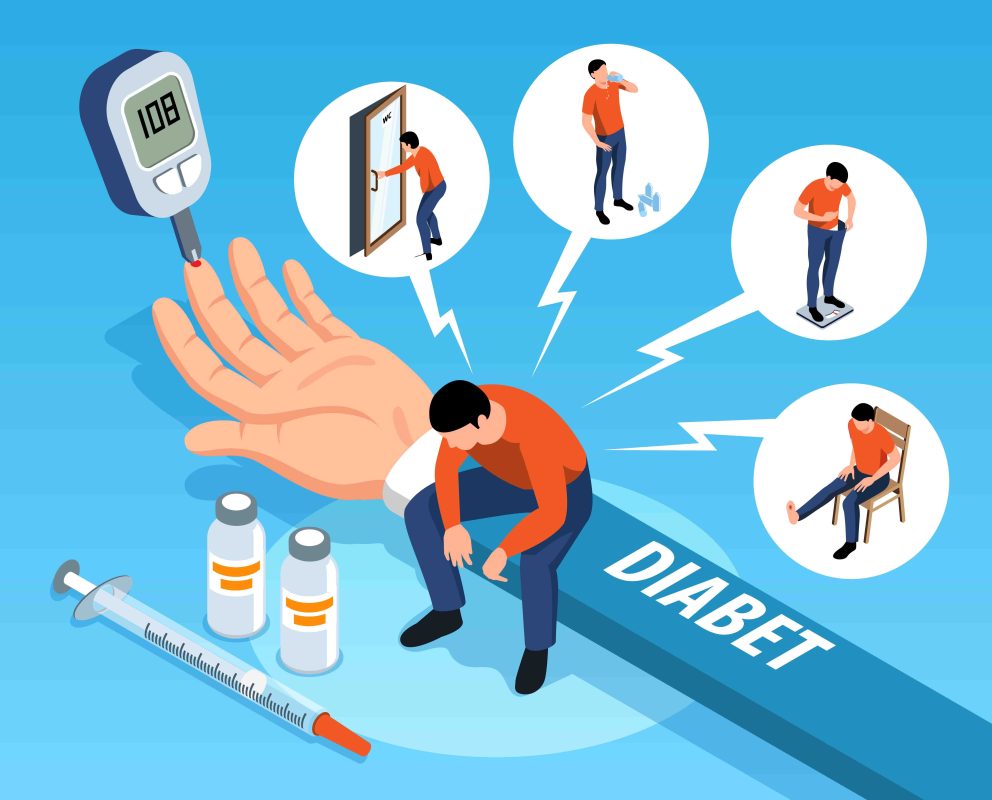
While Type 1 and Type 2 diabetes are different, they share several common warning signs. If you or a loved one are experiencing these frequently, it’s worth a conversation with a doctor:
- Frequent Urination: Needing to “go” more often than usual.
- Constant Thirst and Hunger: Feeling like you can’t get enough to drink or eat.
- Unexplained Weight Loss: Losing weight without even trying.
- Fatigue: Feeling exhausted or worn out, even after resting.
- Blurry Vision: Noticing that things aren’t as sharp as they used to be.
- Mood Changes: Feeling more irritable or moody than normal.
- Persistent Infections: Dealing with frequent UTIs or yeast infections.
Type 1 vs. Type 2: What’s the Difference?
The way symptoms appear can tell us a lot about the type of diabetes being managed.
Type 1 Diabetes
Though often diagnosed in children, Type 1 can develop at any age. In its early stages, there may be no symptoms at all, but once they start, they can become severe very quickly—often within just a few weeks or months.
- Specific Signs: Nausea, vomiting, or stomach pains.
- Emergency Note: Severe symptoms can lead to diabetic ketoacidosis (DKA), which requires immediate medical attention.
Type 2 Diabetes
This is the most common form in adults and seniors. Because it develops over several years, many people don’t notice any symptoms until they’ve had the condition for a long time.
- Slow-Healing Wounds: Cuts, sores, or bruises that take a very long time to go away.
- Skin Changes: Dark patches of skin appearing around the neck, armpits, or groin.
- Numbness: A “pins and needles” sensation or tingling in the hands or feet.
The Silent Symptoms of Gestational Diabetes
While we primarily focus on senior care, we support many multi-generational families. It is important to remember that gestational diabetes (diabetes during pregnancy) usually has no symptoms at all. This is why doctors typically test for it between 24 and 28 weeks of pregnancy.
How Clare Senior Care Can Help
Monitoring for these symptoms can feel overwhelming, but you don’t have to do it alone. Our caregivers are trained to observe changes in behavior, appetite, and physical health. Whether it’s noticing a wound that isn’t healing or helping you keep track of your bathroom habits, we provide the extra set of eyes and ears that help you stay safe at home.
Knowing the symptoms is the first step toward taking control of your health. If you’ve noticed any of these signs, don’t wait—schedule a check-up today.
Source:
- Centers for Disease Control and Prevention (CDC): Symptoms of Diabetes
Medical Disclaimer: This post is for informational purposes and should not replace professional medical advice. If you are experiencing an emergency, please call 911.
