

Heart disease remains the number one cause of death globally, claiming nearly 18 million lives every single year. Almost everyone has been touched by this devastating epidemic in some way. But what if the conventional wisdom we’ve been fed about heart health, diet, and weight loss is only scratching the surface?
In an incredibly eye-opening episode of The Diary Of A CEO, world-renowned cardiologist Dr. Pradip Jamnadas dropped a series of profound truth bombs regarding our health. With over 35 years of experience and having treated more than a quarter of a million patients for chronic heart disease, Dr. Jamnadas brings a wealth of clinical insight that bridges the gap between emergency medicine and holistic metabolic health.
In this deep dive, Dr. Jamnadas explains why prescription pads and operating rooms alone will never solve the heart disease epidemic. Patients continue to return to the hospital because the root causes of their ailments—diet, lifestyle, and stress—are never adequately addressed. Instead of just treating the symptoms, we must attack the root cause: insulin resistance, inflammation, and the accumulation of dangerous visceral fat. Here is a comprehensive breakdown of the groundbreaking science Dr. Jamnadas shared, and how you can apply these principles to transform your body from the inside out.
The Hidden Killer: Understanding Visceral Fat
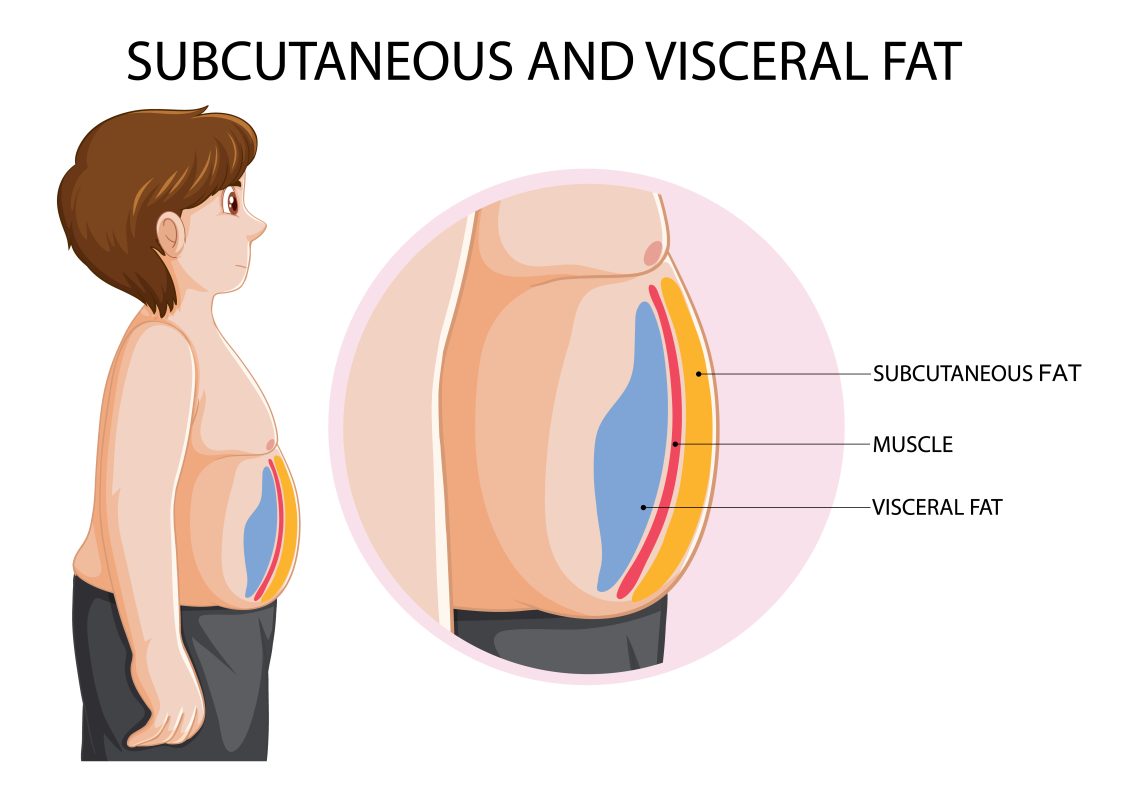
When we think of body fat, we usually picture subcutaneous fat—the soft, pinchable layer right under the skin that can be distributed all over the body. While it might be an aesthetic concern for many, subcutaneous fat is relatively benign from a metabolic standpoint and can often be reduced through standard exercise and a healthy diet.
Visceral fat, however, is a completely different beast. This is the hard fat that accumulates deep within your abdominal cavity, wrapping around your vital organs like your liver, pancreas, and intestines. If you have a protruding belly, you likely have an excess of visceral fat. According to Dr. Jamnadas, this is not just stored energy; it is an active, inflammatory tissue that acts like an unwelcome organ, pumping out inflammatory cytokines and hormones that wreak havoc on your entire system. This deep-belly fat is deeply connected to insulin resistance, creating a vicious cycle that makes it incredibly difficult to lose weight through conventional calorie-restricted diets.
The Root Cause: How Insulin Traps Fat and Clots Blood
To understand why we accumulate visceral fat in the first place, we have to look at insulin. Every time we consume carbohydrates, sugar, or highly processed foods, glucose floods our bloodstream. Because excess glucose is actually toxic in the blood, the pancreas secretes the hormone insulin to shuttle that glucose out of the blood and into our cells for energy.
The problem lies in our modern dietary habits. The constant snacking and frequent consumption of high-carbohydrate meals keep insulin levels perpetually elevated. When insulin is high, the body is in a strict “storage mode.” It completely locks down fat stores, meaning you cannot burn fat for energy as long as insulin is surging. Over time, the cells become deaf to insulin’s signal—a condition known as insulin resistance. The pancreas responds by pumping out even more insulin, worsening the cycle.
But the dangers of high insulin go far beyond stubborn belly fat. Dr. Jamnadas highlights a terrifying mechanism: high insulin and chronic inflammation are quietly clotting your blood. Many people misunderstand how a heart attack actually happens. It isn’t simply a pipe getting slowly clogged with fat. It starts with inflammation inside the arterial wall, which leads to the formation of plaque. A heart attack occurs when one of these unstable plaques cracks or ruptures. Because chronic inflammation makes the blood more prone to coagulation, the body immediately forms a blood clot over the ruptured plaque, completely blocking blood flow and starving the heart muscle of oxygen.
The Ultimate Solution: Fasting as a Metabolic Reset
If high insulin is locking visceral fat inside the body and promoting deadly inflammation, how do we reverse it? Dr. Jamnadas is unequivocal in his answer: the single fastest, safest, and most powerful tool to burn dangerous visceral fat is fasting.
Fasting is drastically different from simple calorie restriction. When you simply eat less but still eat frequently throughout the day, your insulin levels remain elevated enough to prevent efficient fat burning. Instead, your body senses the calorie deficit and slows down your basal metabolic rate. You end up feeling tired, hungry, and cold without burning the fat you want to lose.
Conversely, when you abstain from food entirely for a period of time, insulin levels plummet to their absolute baseline. Around the 12-hour mark of a fast, your body realizes that no external food is coming in and is forced to flip the metabolic switch. It begins pulling stored fat out of the body to use for fuel. And the incredible news? The very first place the body harvests this fat from is the dangerous visceral fat packed around your organs.
Beyond fat loss, fasting triggers a cascade of miraculous biological processes. It initiates a state of ketosis, providing your brain and body with a highly efficient, clean-burning fuel (ketones). It also ramps up autophagy, a cellular cleanup process where the body breaks down and recycles old, damaged, and senescent cells. Over time, consistent fasting protocols can completely reset your hormonal health, reverse fatty liver disease, eradicate sleep apnea, and drastically lower your risk of cardiovascular events.
Surprising Lifestyle Traps: Cardio, Sleep, and Environment
While fasting and insulin control are the main pillars of metabolic health, Dr. Jamnadas also shed light on several surprising lifestyle factors that might be secretly undermining your heart health:
- The Endurance Cardio Trap: We are often told that hours of daily high-volume cardio are the key to a healthy heart. However, Dr. Jamnadas notes a paradoxical trend among endurance athletes. Stacking years of daily high-volume cardio without adequate time to recover and clear out inflammation can actually lead to increased coronary artery disease. Instead of endless chronic cardio, he recommends short, intense sprints combined with resistance training to build muscle and improve insulin sensitivity without chronic inflammatory stress.
- The Impact of Sleep: Sleep is not a luxury; it is a metabolic necessity. Just one single night of poor sleep can cause you to become significantly more insulin resistant the very next day. Chronic sleep deprivation elevates cortisol, spikes blood sugar, and makes it virtually impossible to burn visceral fat.
- Hidden Environmental Toxins: Inflammation is essentially the body’s immune system reacting to a foreign invader. Dr. Jamnadas points out that nearly 70% of homes today have some form of mold toxicity, which acts as a massive driver of systemic inflammation. He also warns of hidden toxins in our foods, such as surprisingly high levels of arsenic found in modern white rice, and the metabolic dangers of consuming massive excesses of high-fructose fruit.
Taking Back Control of Your Health
The overarching message from Dr. Pradip Jamnadas is one of immense empowerment. Medicine and surgical interventions are miraculous for acute emergencies—if you are having a full-blown heart attack, a cardiologist will save your life. But for long-term health, disease prevention, and true vitality, the power lies in your daily choices.
By understanding the physiological differences between subcutaneous and visceral fat, we can stop viewing weight loss as a mere mathematical equation of calories. It is a hormonal game, and insulin is the master controller. By integrating intermittent fasting into your lifestyle—starting with simple 12 to 16-hour fasting windows—you can lower your insulin, melt away dangerous visceral fat, and starve chronic inflammation at its source.
Heart disease does not have to be an inevitable part of aging. With the right knowledge, disciplined fasting, prioritized sleep, and a shift away from toxic processed foods, you can literally reverse the progression of chronic disease. Your body has an incredible, innate capacity to heal itself—you just have to get out of its way and give it the time to do so.
Source
- Original Video: The Diary Of A CEO – “The Heart Doctor: The Truth About Fasting, Visceral Fat & How To Avoid A Heart Attack”
- Link: https://www.youtube.com/watch?v=gryta3KZKU4
Disclaimer
Medical Disclaimer: The information provided in this blog post is for educational and informational purposes only and does not constitute medical advice. The content is based on an interview with Dr. Pradip Jamnadas and should not be used as a substitute for professional medical diagnosis, treatment, or dietary guidance. Always consult with your physician or a qualified healthcare provider before beginning any new fasting regimen, diet, or exercise program, especially if you have a pre-existing medical condition or are taking medication.
- Unlocking the Secret to Burning Dangerous Visceral Fat: Insights from Dr. Pradip Jamnadas
- Third Time’s a Charm: Crowley Court & O’Brien Towers Surge Ahead in the BP Challenge!
- The Power of Resilience: Richard Rogers Inspires at Harbour Point’s Lunch & Learn
- “The Climb” Hits Drohan Apartments: Scaling the Leaderboard in the Battle of the Buildings!
- DASH Diet for Seniors: A Simple Guide to Lowering Blood Pressure
