

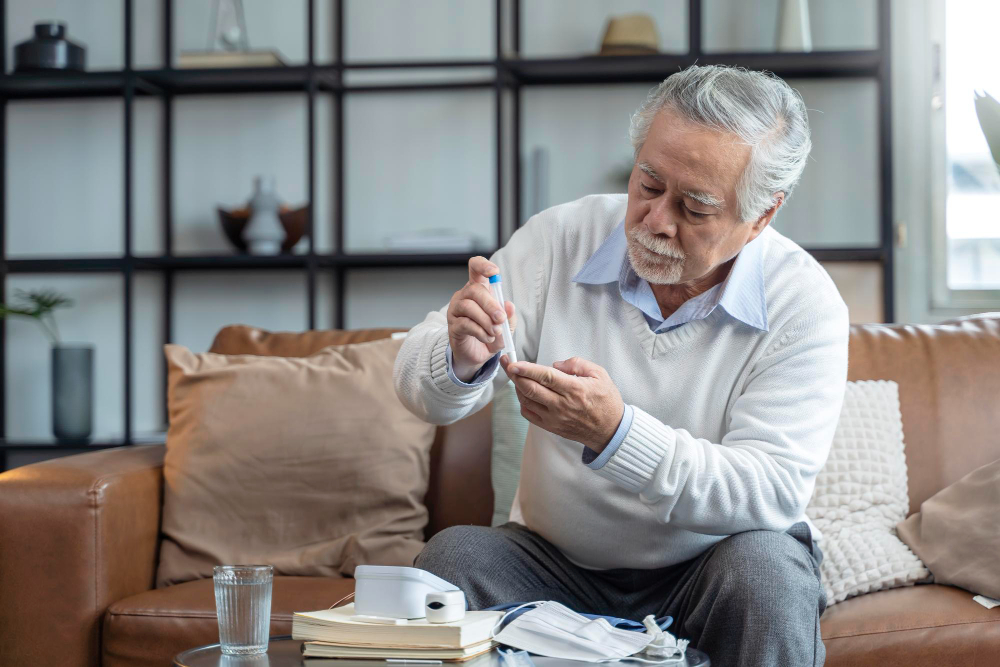
For seniors living with diabetes, staying healthy and active is all about balance. At Clare Senior Care, we believe that empowerment starts with knowledge. As a provider of Adult Foster Care (AFC) and Group Adult Foster Care (GAFC), our goal is to ensure you have the tools you need to live safely and independently.
The single most important tool in your diabetes toolkit is monitoring your blood sugar. Because factors like your favorite meals, your daily walk, and your medications all cause your blood sugar to shift, checking your levels regularly helps you and your care team understand your body’s patterns. Here is a simple, step-by-step guide to checking your blood sugar at home, based on the latest guidelines from the CDC.
Step-by-Step: How to Check Your Blood Sugar
Most blood sugar meters (glucometers) work in a similar way. If you are ever unsure, don’t hesitate to ask your provider or your doctor to walk you through it.
- Prepare Your Meter: Ensure your device is charged or has fresh batteries.
- Wash Up: Wash your hands with warm water and soap. Dry them thoroughly. Tip: Warm water helps improve blood flow to your fingers!
- Get the Blood Moving: Massage your hand or gently shake it downward to help the blood flow to your fingertips.
- The Prick: Use a fresh lancet to prick the side of your finger.
- The Sample: Gently squeeze from the base of the finger and place a small drop of blood onto the test strip.
- The Reading: Insert the strip into the meter. In just a few seconds, your blood sugar level will appear on the screen.
- Record It: Most meters save your history, but it is a great idea to keep a written log or use a smartphone app. Note down anything unusual, like a heavy meal or extra exercise, that might have influenced the number.
- Cleanup: Dispose of your lancet and strip safely. Never share lancets or monitoring equipment with anyone else.
What Should Your Numbers Be?
While every individual is different, the CDC generally recommends the following target ranges for non-pregnant adults:
- Before a meal: 80 to 130 mg/dL
- 1–2 hours after a meal: Below 180 mg/dL
Note: Your doctor may set specific targets just for you based on your age and health. Always follow their personalized advice.
A1C Testing: Get A1C tests twice a year plus home checks. This tracks your 3-month average, helping you hit goals. Stay healthy by learning why A1C is a vital tool for your diabetes care plan.
Pro-Tips for Success
- Store Strips Safely: Test strips are sensitive. Keep the container tightly closed and store them away from heat, moisture, or extreme cold.
- Have a Backup: It’s a smart idea to have a family member or a Clare Senior Care caregiver learn how to use your meter, just in case you aren’t feeling well enough to do it yourself.
- Ask Questions: At your next check-up, ask your doctor: “How often should I be checking?” and “What do these specific numbers mean for my health plan?”
We Are Here to Help
Learning to manage diabetes can feel overwhelming at first, but you don’t have to do it alone. At Clare Senior Care, our AFC and GAFC programs are designed to support you in your daily health routines.
If you or a loved one needs assistance with daily health monitoring or navigating a new diabetes diagnosis, reach out to us today. Together, we can keep your health on track!
Important Disclaimer & Source
Medical Disclaimer: The information provided in this post is for educational and informational purposes only and is not intended as medical advice, diagnosis, or treatment. Always seek the advice of your physician or other qualified health provider with any questions you may have regarding a medical condition. Never disregard professional medical advice or delay in seeking it because of something you have read on this website.
Source: This guide is based on official guidelines from the Centers for Disease Control and Prevention (CDC):Monitoring Your Blood Sugar.
