

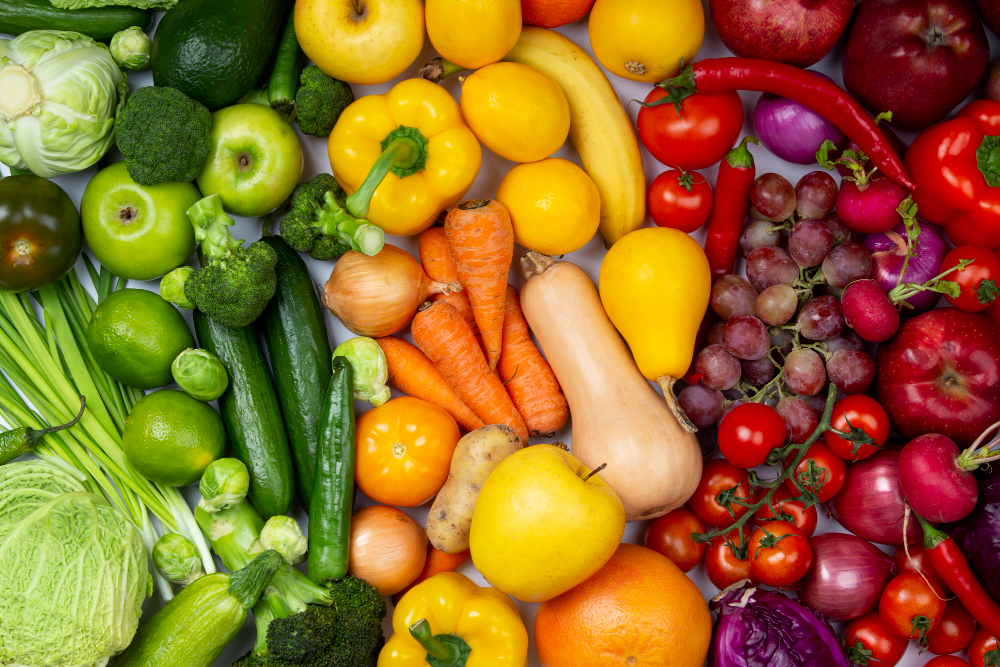
We all want to feel our best as we age. Whether it’s having the energy to keep up with grandkids, staying sharp for a crossword puzzle, or simply maintaining our independence, nutrition is our greatest ally. You likely know that a healthy diet includes plenty of fruits and vegetables. They are the ultimate “superfoods”—naturally low in calories, high in life-giving vitamins, and packed with the fiber your body needs to stay regular and maintain a healthy weight. But let’s be honest: between the peeling, the chopping, and the rising cost of groceries, it can feel like a chore.
The good news? Eating well doesn’t have to be expensive or exhausting. Here is how you can simplify your kitchen routine while nourishing your body.
Why the “Green Stuff” Matters More Now
As we get older, our bodies require fewer calories but more nutrients. Fruits and vegetables are nature’s multivitamin. They help:
- Protect Your Heart: A diet rich in produce can lower blood pressure and reduce the risk of stroke.
- Keep Digestion Smooth: The fiber found in apples, broccoli, and beans acts like “nature’s broom,” preventing constipation.
- Support Eye Health: Leafy greens like kale and spinach contain nutrients that help shield your eyes from age-related vision loss.
Shortcuts for Easy Preparation
Don’t let the prep work stop you. If chopping is a challenge for your joints or you simply want to save time, try these “no-fuss” options:
- Choose “Grab-and-Go” Produce: Opt for baby carrots, cherry tomatoes, grapes, or berries that require zero peeling or cutting.
- Hit the Salad Bar: You don’t have to buy a whole head of lettuce. Visit the grocery store salad bar for pre-cut veggies like peppers, cucumbers, or radishes to top your sandwiches and pasta.
- Embrace Ready-Packed Greens: Bagged salads are a lifesaver. They are pre-washed and ready to eat whenever you are.
- The “Cook Once, Eat Twice” Rule: When you do cook, prepare extra vegetables and freeze the leftovers. When you’re ready for a quick side dish, simply heat them to 165°F and serve.
Smart Shopping: Save Money without Sacrificing Quality
Healthy eating shouldn’t break the bank. With a little planning, you can fill your cart with nutrient-dense foods for less.
- Buy in Season: Fresh produce is at its cheapest (and tastiest!) when it’s in season. Check your local farmer’s market for the best deals on what’s growing right now.
- The Power of Frozen and Canned: Don’t overlook the middle aisles! Frozen and canned fruits and vegetables are just as nutritious as fresh—and they last much longer.Tip: Look for “low-sodium” canned vegetables and fruits packed in their own juice rather than heavy syrup.
- Go Meatless More Often: Swap expensive proteins like beef or poultry for vegetable-based “one-pot” meals using beans or soy. Not only are beans cheaper, but one-pot meals mean fewer dishes to wash!
- Minimize Impulse Buys: Always shop with a list. Planning your meals ahead of time helps you avoid buying things you don’t need, which prevents food waste.
Your Budget-Friendly Produce Guide
According to the USDA, these are some of the most affordable ways to get your daily servings:
| Category | Best Value Choices |
| Fresh & Seasonal | Apples, bananas, potatoes, carrots, cabbage, and squash. |
| Frozen | Berries, peas, corn, and dark leafy greens (spinach/kale). |
| Canned | Green beans, tomatoes, and peaches. |
| Dried | Raisins (grapes) and apricots. |
Small Steps, Big Results
You don’t have to overhaul your entire diet overnight. Start small: add a handful of berries to your morning oatmeal or toss some frozen peas into your evening soup. Your body—and your wallet—will thank you.
Disclaimer: The information provided in this post is based on guidelines from the CDC and USDA. It is intended for educational purposes and should not replace professional medical advice.
Source: CDC – Centers for Disease Control and Prevention; USDA Economic Research Service.
Visit fruits and veggies for more great recipes!
- Nourishing Smiles & Building Community: A Look Back at Healthy Smiles & Wellness Day
- Important Updates & Resources for CCA Senior Care Options (SCO) Members
- Discover the Stanford 3-Letter Project That Will Change How You Live
- Demystifying MassHealth: A Simple Guide to Health Coverage and Senior Benefits
- The Power of Stillness: Rewiring the Senior Heart and Mind
