

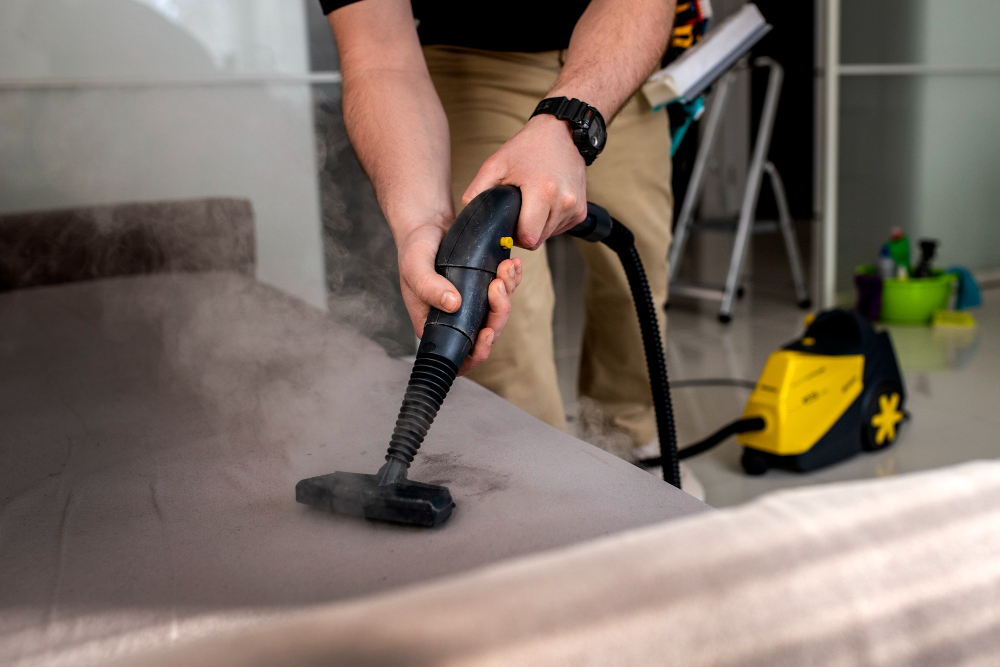
This presentation, given by Paul Hoffman, Assistant Director of the Community Sanitation Department, Public Health, provides detailed information on bedbugs, including their biology, signs of infestation, prevention, and treatment strategies.
🔬 Community Sanitation Authority
The Community Sanitation Department has authority over most chapters of the State Sanitary Code, covering:
- Housing and Camps: General housing, labor camps, and camps for kids.
- Recreational Facilities: Swimming pools and campgrounds.
- Detention Centers: DYS, local police lockups, state/county correctional facilities.
- Other Areas: Indoor air quality, ice rinks, and other miscellaneous responsibilities.
🦟 Bedbug Biology and Identification
Bedbugs are blood-feeding insects that are typically nocturnal. They are attracted to carbon dioxide and body heat.
Key Characteristics:
- Behavior: They live in large groups called aggregates. Females are more likely to leave the aggregate than males.
- Appearance:
- Color: Chestnut-brown.
- Size: About the size of an apple seed when full-grown.
- Shape: Wingless and fairly flat. The female is wider.
- Visibility: Visible with the naked eye.
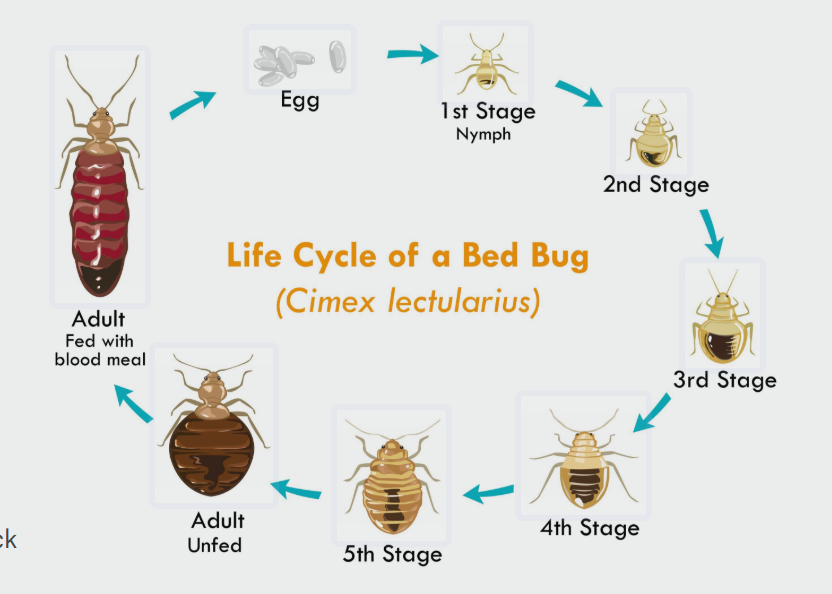
- Life Stages: They go through three main stages: eggs, instars (nymphs), and adults.
- Feeding and Reproduction: They must have a blood meal before moving to the next developmental stage.
- The reproductive cycle takes about 30 to 50 days to reach maturation.
- Adults can survive one year without feeding, and instars for several months. This is why infestations can reappear in vacant apartments after someone moves in.
🤕 Symptoms and Emotional Impact
Physical Reactions:
- Reaction Varies: Some people have no reaction at all, while others have mild to very severe irritation.
- Disease: Bedbugs are not known to carry or transmit disease.
- Bites: Most people react to the bite itself, which can lead to infection or allergic reactions (swelling).
- Bite Patterns: They may bite several times while trying to find a good spot, resulting in clusters of bites. They prefer exposed skin (neck, face, arms, legs).
- Secondary Infection: Scratching the bites open can lead to secondary infection.
Emotional and Psychological Issues:
- Stigma and Embarrassment: People are often embarrassed to admit they have bedbugs, leading them to keep quiet, which allows the infestation to worsen and spread.
- Emotional Distress: Knowing that bugs will crawl on you while sleeping leads to sleep deprivation and agitation.
- Misconception: Bedbug attraction has nothing to do with cleanliness or sanitation (unlike cockroaches); they are solely after blood.
- Delusionary Parasitosis: Some people may constantly believe they are being bitten when no bedbugs or other pests are present.
🔍 Signs of Infestation
The first place to look is the folds of the mattress.
| Sign | Appearance | Location |
| Fecal Droppings | Blackish spots or tracks (looks like spotting). | Folds of the mattress, box springs, frames, or other resting areas. |
| Blood Spots | Red-colored spotting. | Folds of the mattress. |
| Live Pests/Evidence | Live bedbugs, eggs, or shed skeletons. | Mattress, box springs, frames, and other resting areas. |
| Odor | A sweet smell, sometimes described as similar to rotten raspberries. (Often noticed by K9 detection dogs). | General area of severe infestation. |
Hiding Spots:
Bedbugs will live anywhere, not just the bed. They like to live close to the host in undisturbed, quiet, small, warm areas.
- Bed/Furniture: Mattress, box spring, wood frames, headboards (especially if screwed into the wall), upholstered items, and cushions.
- Structural: Cracks in walls, ceilings, baseboards, and moldings.
- Electronics: Electrical outlets (which act as a “highway” between units), stereo equipment, and old telephones (as they keep warm).
- Other Items: Paintings and picture frames hanging over the bed.
🛡️ Prevention and Early Detection
Bedbugs have been a problem since ancient times (found in Egyptian carvings) and spread globally through international travel. The post-WWII decline due to DDT was reversed when the EPA banned the chemical in the 1970s due to health concerns.
Lines of Defense (Integrated Pest Management – IPM):
- Prevention: Keep them out or contain them.
- Early Detection: Look for the signs and traces.
- Treatment: Use as a last resort, utilizing the least harmful and still effective pesticide.
Prevention Practices:
- Clutter Reduction: Reduce clutter and “harborage points” where they can hide.
- Used Items: Do not buy secondhand items like mattresses, sofas, or chairs, and avoid taking “free” furniture from the curb, as you cannot guarantee it’s bedbug-free.
- Mattress Encasements: Use certified mattress and box spring encasements. The purpose is to trap and starve existing bedbugs inside the mattress. They must remain on for 1.5 to 2 years to account for the bedbug lifecycle. Certified encasements have no opening at the end of the zipper.
For Home Visitors/Traveling:
- Personal Items: Keep personal items (bags, etc.) in the vehicle. Only bring essentials (e.g., clipboard and pen).
- Seating: Stand if possible. If sitting, choose areas with hard surfaces (like kitchens) over soft upholstery.
- Clothing: Vacuum clothing before getting into the vehicle. Change clothes at the office or home in an area with light-colored, hard flooring (not carpet) so bugs can be seen.
- Laundry: Bag and seal clothing until it can be laundered. After removing clothes, reseal and dispose of the bag.
- Travel Checks: When at a hotel, inspect the room (bed, headboard, paintings) for traces. If found, request a different room.
- Luggage: Keep luggage off the floor (use a luggage stand or the bathtub). When home, put luggage in a sealed plastic bag until next use and wash all belongings.
🛠️ Treatment and Elimination
DIY Sanitation:
- Drying: Place items that can withstand high heat into a dryer for 20 minutes at the hottest setting to kill all stages of the bedbug.
- Hard Surfaces: Easier to clean with rubbing alcohol or ammonia.
Infestation Response:
- Do Not Panic: Do not use insect “bombs” (foggers) or move out without telling anyone, as this only spreads the problem.
- Act Quickly: Early detection increases the likelihood of success.
Professional Intervention (Contact Local Board of Health):
- Board of Health (BOH): Responsible for enforcing the Housing Code (minimum standards for human habitation). They can issue an Order to Correct and conduct re-inspections.
- Example (Boston): BOH will inspect all adjacent units in a multi-unit building to stop the spread.
- Pest Management Professional (PMP): Must be licensed and have experience with bedbugs.
- Treatments: Should involve at least two, and preferably three, treatments approximately 14 days apart. This interval is crucial because insecticides may not kill the eggs, and 14 days allows new eggs to hatch before the next treatment.
- Occupant Cooperation: Occupants must cooperate by providing access to every unit/room and following PMP instructions, including removing clutter and potentially discarding severely infested furniture.
- BOH Limitations: The BOH cannot award damages or mediate losses; they only enforce the code to eliminate the infestation.
Monitoring and Detection Devices:
These devices are for detection, not eradication.
- Interception Devices: Small cups or dishes placed under furniture legs. Bedbugs attempting to climb on or off the furniture get trapped inside. This helps determine the source and severity of the problem.
- Commercial Monitors: Units that emit $\text{CO}_2$ (to simulate breathing) or heat to attract and trap bedbugs.
- K9 Detection: Dogs are effective but should always be followed up with additional inspection and testing, as their performance can vary.
Challenges:
- Elimination: Full eradication may not be achievable; sometimes, the goal shifts to control the population.
Would you like me to find the contact information for your local Board of Health or search for certified mattress encasements?
Disclaimer
Disclaimer: This post summarizes a public health presentation and is for informational purposes only. It does not constitute professional medical advice, nor is it a substitute for services provided by a licensed pest management professional (PMP) or medical provider. If you suspect a severe bedbug infestation or have adverse health reactions, please consult a licensed PMP or a healthcare professional immediately. The presenter is affiliated with the Community Sanitation Department, and local regulations (e.g., housing codes, bylaws) may vary by municipality.
Source
Source: Detailed summary of a presentation given by Paul Hoffman, Assistant Director of the Community Sanitation Department, Public Health, titled “Bedbugs Resources and Practices,” originally required for the October 11th annual Mass Homecare Association meeting.
- “The Climb” Hits Drohan Apartments: Scaling the Leaderboard in the Battle of the Buildings!
- DASH Diet for Seniors: A Simple Guide to Lowering Blood Pressure
- Warm Hearts in a Snowstorm: The Quincy BP Challenge Hits Tobin Tower
- Common Diabetes Symptoms in Seniors: What to Watch For
- The A1C Test: Understanding Your “Big Picture” Health
